
85 Days of Silence: As Leadership Changes in Bengaluru, the K.M. Gayathri Report Faces Bureaucratic Burial
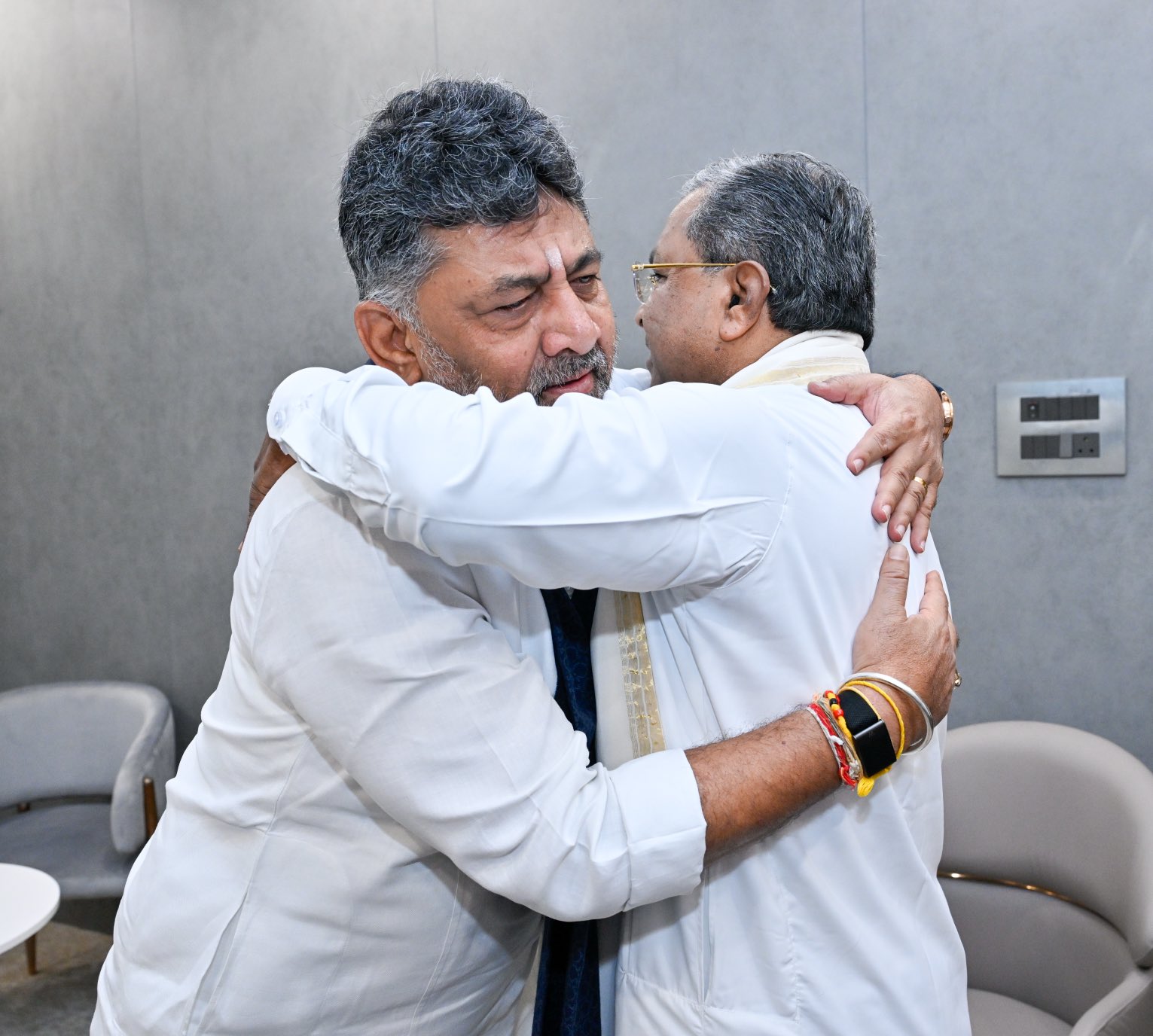
While the corridors of power in Bengaluru shake with the resignation of Chief Minister Siddaramaiah and the transition of leadership to D.K. Shivakumar, an essential constitutional right of coastal Karnataka is being systematically hidden from public sight.
MANGALURU: Today marks exactly eighty-five days since the high-level study committee, chaired by K.M. Gayathri, formally submitted its report regarding the inclusion of Tulu as the second official language of Karnataka. Handed over directly to the Secretary of the Department of Kannada and Culture at Vikasa Soudha on March 4, 2026, the report outlined robust, battle-tested administrative legalities—including the framework used successfully for Urdu in Andhra Pradesh—to recognize Tulu natively.
Yet, nearly three months later, the state machinery has entered absolute paralysis. There is no sign of an Action Taken Report (ATR). No cabinet notes have been tabled. Instead, the administration has resorted to active stonewalling. Citizen-led Right to Information (RTI) requests tracking the file’s legal lifecycle are being point-blank ignored or endlessly delayed by secretariat bureaucrats.
A History of Calculated Suppression
This administrative ghosting is not an anomaly; it is a continuation of a historical pattern. Mainstream educational frameworks and state-backed cultural agencies have deliberately sidelined the independent history of Tulu Nadu for generations. The sovereign, 1500-year independent rule of the Alupa Dynasty from Barkur and Mangaluru remains treated as an inconsequential footnote in national textbooks.

The structural gatekeeping extends directly to physical epigraphical heritage. Out of the 45 known Tulu-Tigalari inscriptions discovered across the coastal belt, virtually every single one was found, documented, and preserved through the private resources of local Tulu professors and independent scholars. Had the state government deployed even a fraction of its archeological funds to institutionalize surveys, conservative estimations suggest at least 300 ancient inscriptions would be cataloged today.
- On Stage: Top leaders shower Tuluvas with praise at public events, calling the community the "intellectual asset" that built the banking and hospitality foundations of Karnataka.
- In Office: The administrative files are deliberately frozen to avoid pushback from hardline political vote banks in the capital.
The Political Transition Gambit
The dramatic resignation of Siddaramaiah today provides the state apparatus with the perfect excuse to consign the Gayathri report to absolute cold storage. With a fresh cabinet reshuffle imminent under D.K. Shivakumar, files concerning linguistic rights are historically labeled "pending cabinet review" by acting bureaucrats to stall execution indefinitely.
"They gladly hoard the massive tax revenue from Mangaluru port, brag about our high literacy statistics to boost state profiles, and gatekeep coastal infrastructure like gold. Yet they deny our people the basic dignity of official linguistic recognition."
The strategy of the modern movement must bypass the traditional, territorial roadblocks. By keeping the fight localized explicitly on Official Language Status first, the state government is stripped of its defense. If Tulu Nadu is claimed to be an inseparable, pride-worthy asset of Karnataka, there is zero moral or logical ground to withhold official status, freeze the ATR, and bury the Gayathri report. The demand is simple: if you choose to govern the land, you must legally respect the language.